Case Study: The Tribe Project
Modernizing Legacy Codebases for Dramatic Build Optimization
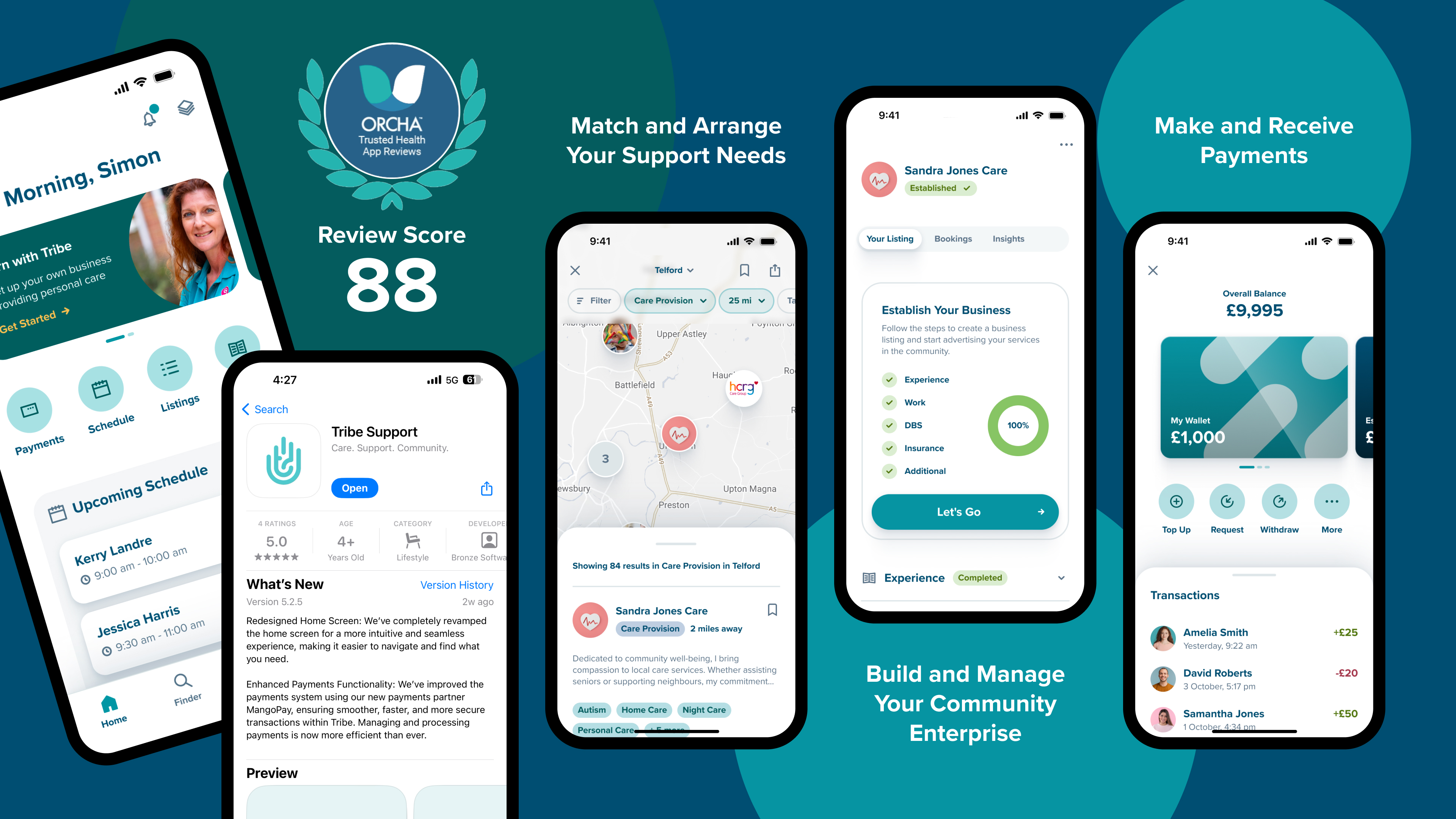
The Tribe Project is a pioneering digital marketplace designed to tackle critical shortfalls in national home care, assist with hospital discharge, and break down barriers of social inequality. By leveraging data to map local care gaps, the platform creates high-quality, flexible employment in economically stagnant areas—turning care demand into a local economic driver. Through a blended network of paid micro-providers, volunteers, and community groups, the application connects individuals requiring post-hospital or domestic assistance with immediate, trusted support, fundamentally relieving pressure on overextended health services.
My Role & Technical Impact
Stepping into a large, complex codebase within the social care industry, I rapidly progressed from a junior to mid-level role within six months, eventually taking full autonomy as the lead iOS developer. I was responsible for modernizing the core native iPhone and iPad applications, adhering strictly to SOLID principles, OOP, and Apple’s Human Interface Guidelines. My primary mission became rescuing the app from a legacy, bloated architecture and transitioning it into a highly performant, modern codebase.
The SwiftUI Migration
I led the technical overhaul to migrate the project away from a massive, bloated UIKit and Storyboard architecture. By replacing over 30+ complex storyboard and .xib files with clean, declarative SwiftUI views, I slashed project technical debt and vastly improved UI maintainability.
Dependency & Build Optimization
The original app suffered from severe bloat, relying on 20+ heavy third-party dependencies managed via CocoaPods, which dragged Xcode compile times to over 3 minutes. I stripped out unnecessary frameworks, converted the remaining core dependencies to Swift Package Manager (SPM), and cut both the dependency count and build times clean in half.
Architectural Re-write & GraphQL
Spearheaded a complete rewrite of the networking layer by building a custom GraphQL manager to handle request pipelines, drastically improving data-fetching performance and developer experience.
Design System & Swift Package
Authored a native Swift Package adapted from a web-based design system. This reusable component library featured over 40 highly dynamic components, drastically cutting down development velocity for the rest of the engineering team.
Advanced Feature Integration
Leveraged a robust suite of first- and third-party dependencies (including AVPlayer, CoreMotion, CoreHaptics, CoreLocation, PDFKit, Lottie, and Agora) to build a fully featured, wallet-based payment system, bringing the app to a premium standard while maintaining a lightweight footprint.
Architecture and UI overhaul
Home Screen Layout Update
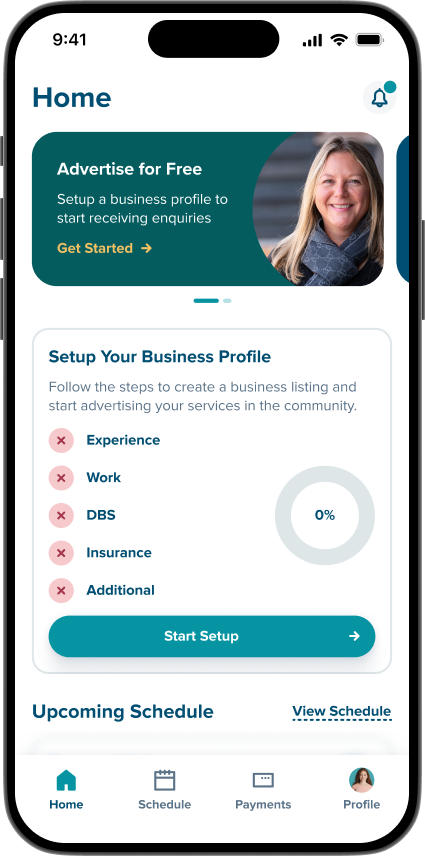
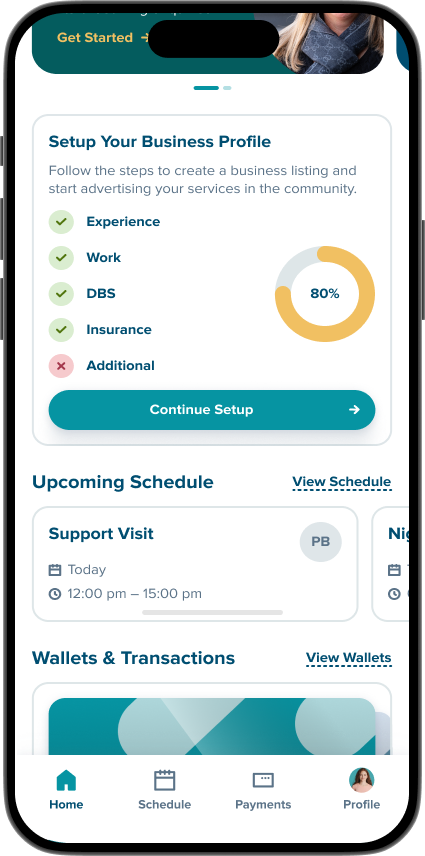
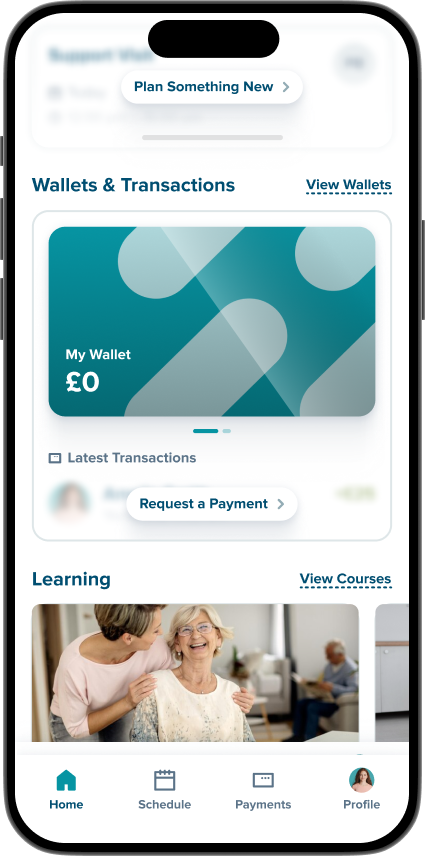
To improve initial user engagement and app navigation, I overhauled the dashboard experience with a modern, widget-centric Home Screen layout. This updated interface introduces high-visibility onboarding cards, progress tracking metrics, and dynamic content feeds, surfacing critical information to both care providers and seekers immediately upon launch.
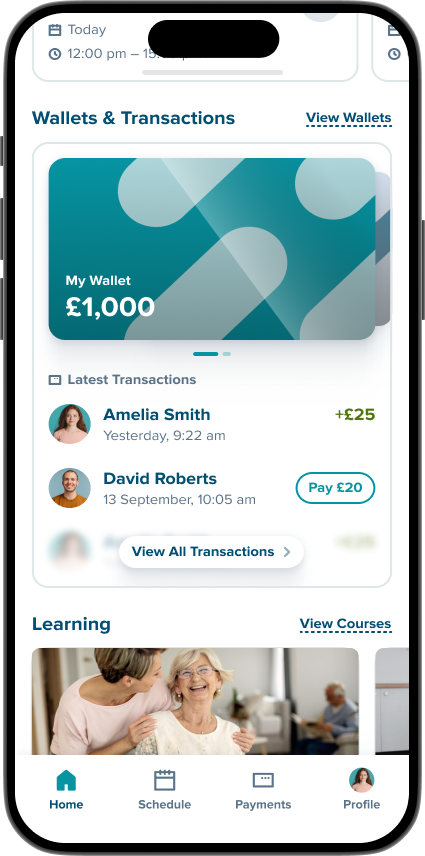
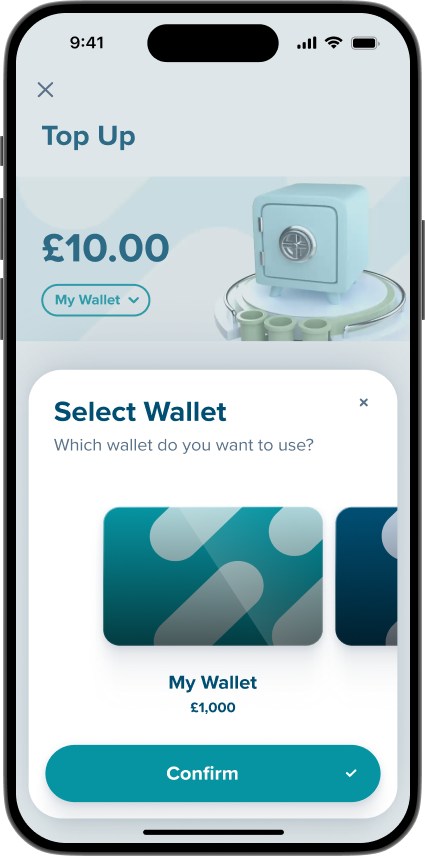
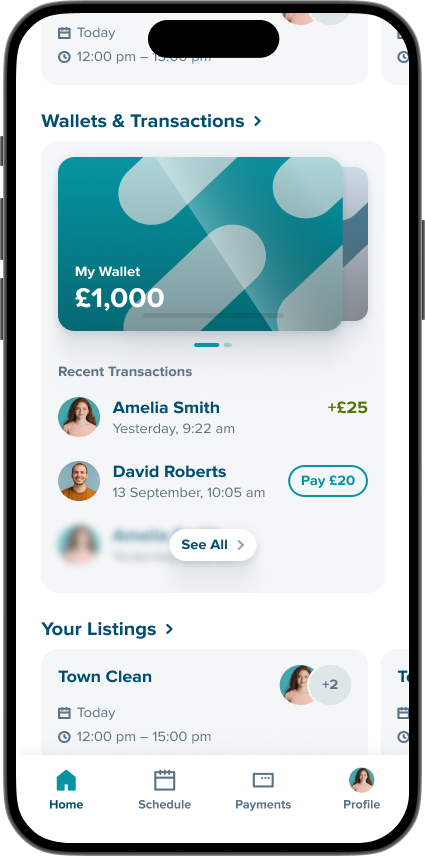
Payments & Digital Wallet
I built a secure, fully featured, wallet-based payment system utilizing modern mobile UI elements. This framework handles complex digital transactions smoothly, providing users with live balance updates, dynamic transaction history cards, and instant request-to-pay triggers to manage care services without leaving the app.
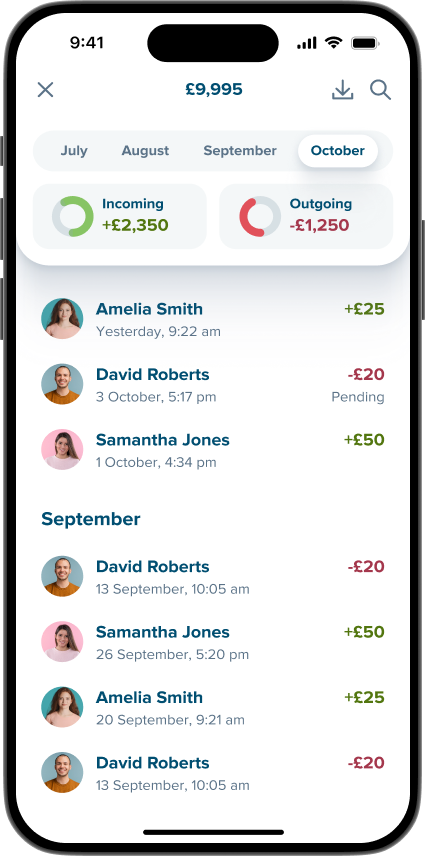
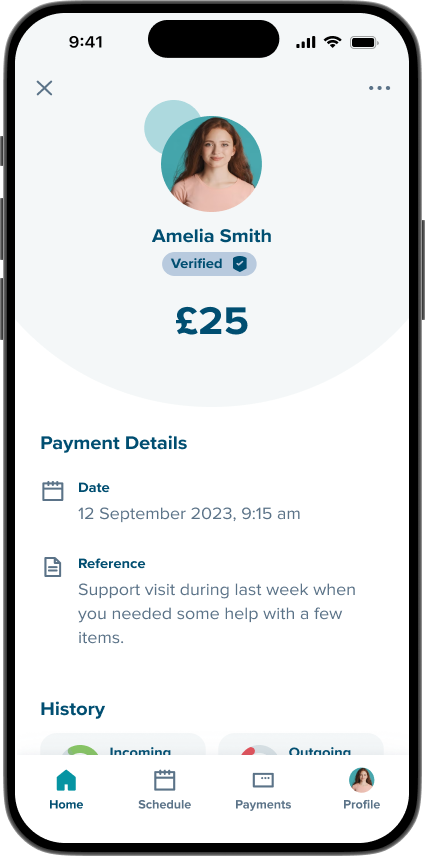
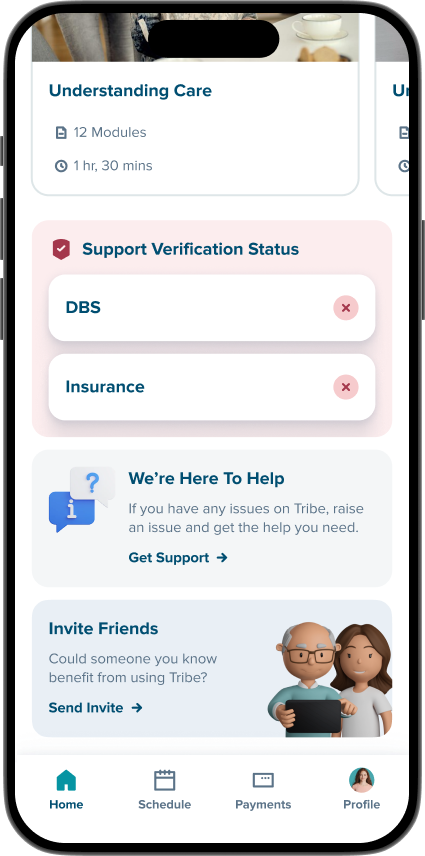
DBS Certification & Onboarding
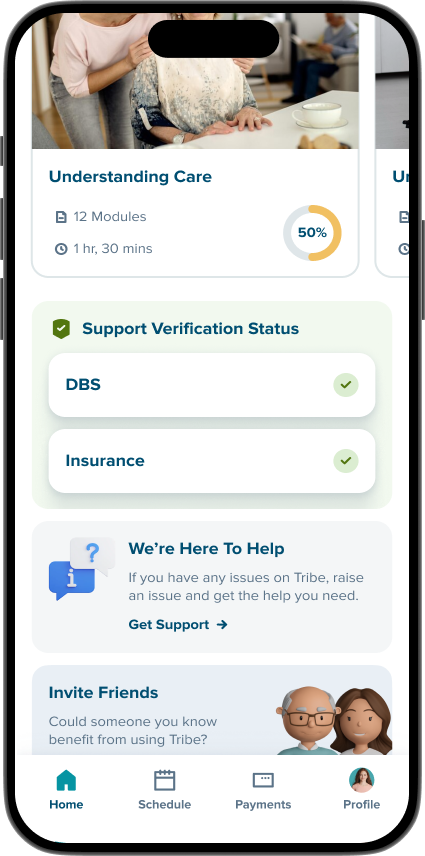
Navigating social care requires absolute trust, which is why I streamlined the professional verification pipeline. I designed a step-by-step business profiling flow featuring an interactive checklist and data visualizations that guide micro-providers through submitting essential insurance, background checks, and mandatory DBS certifications.
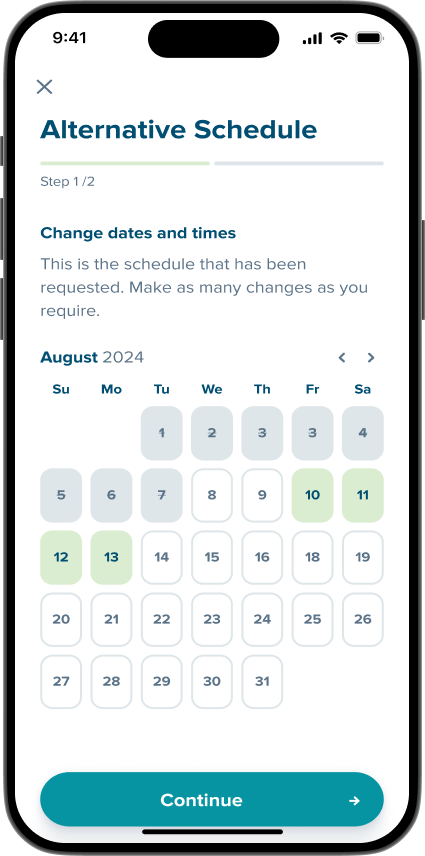
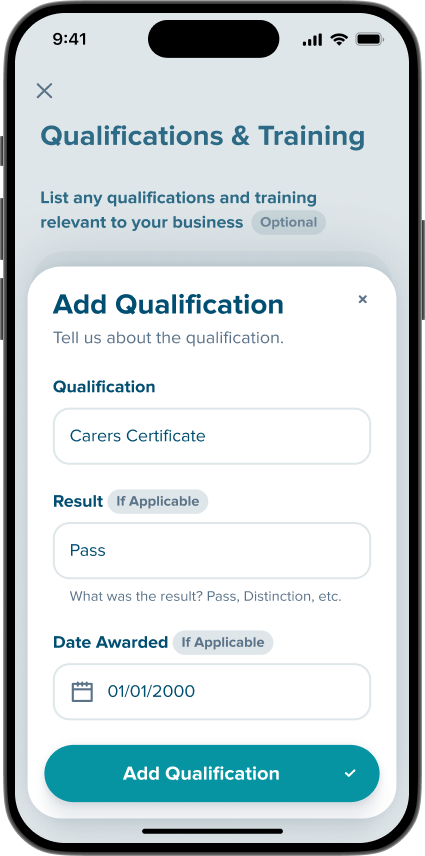
Training, Qualifications, and Courses
To aid in upskilling community volunteers and micro-providers, I implemented a robust educational gateway. This specialized learning module provides an intuitive layout for browsing social care courses, tracking progress through multimedia training assets, and uploading newly completed qualifications straight to a provider’s active profile.
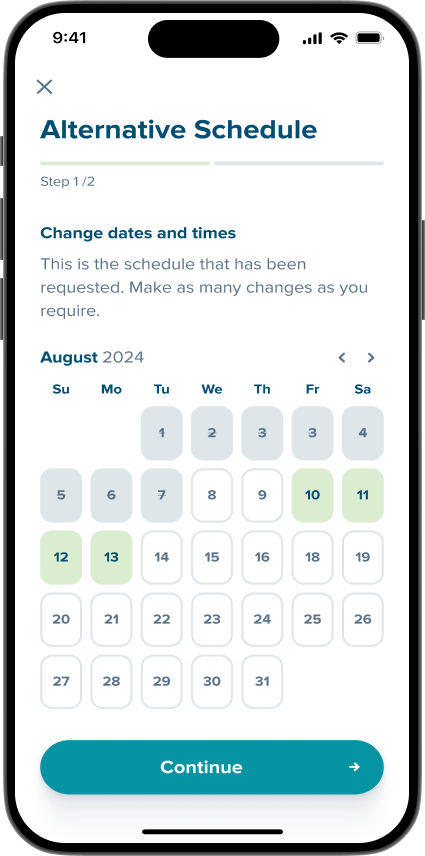
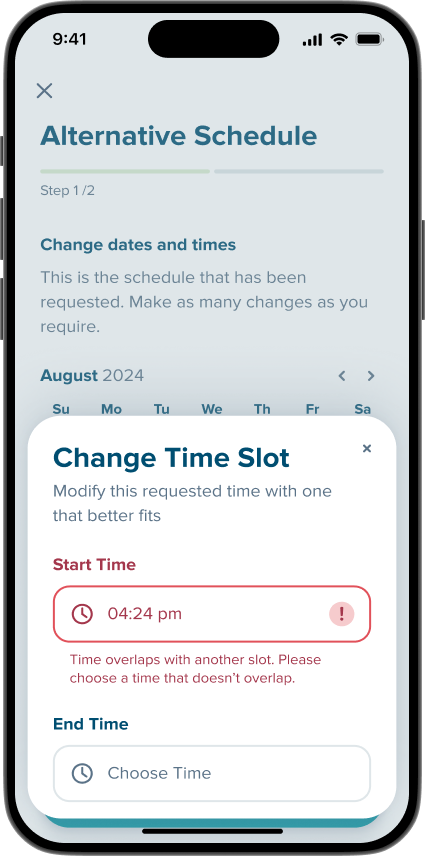
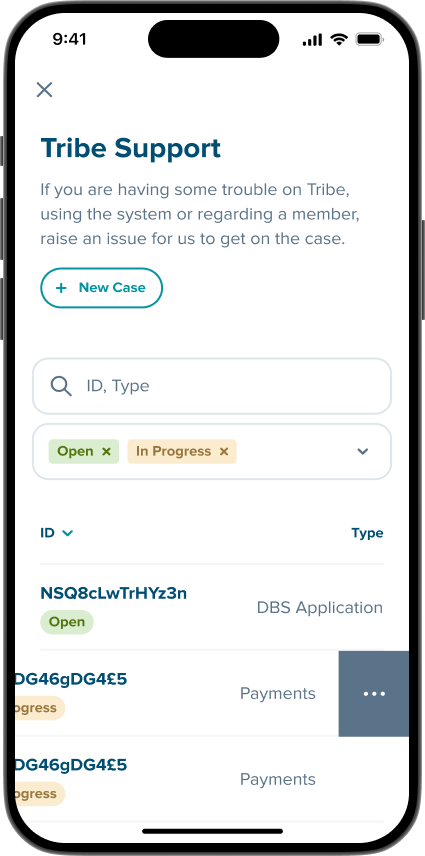
Client Support Systems
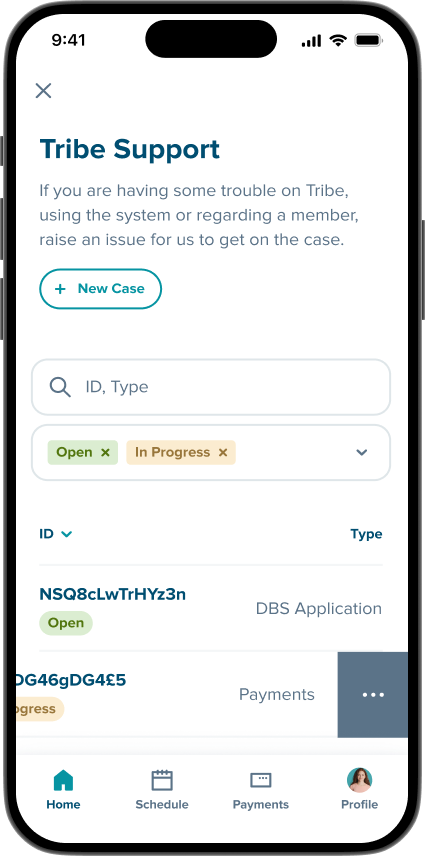
Building empathy into the technology, the dedicated client support layer provides communication tools tailored for vulnerable individuals. The interface prioritizes clear visual hierarchy, accessible interaction patterns, and reliable query routing to bridge communication gaps and deliver prompt assistance when care criteria shift unexpectedly.